


l-Furyan-l
-
Posts
546 -
Joined
-
Last visited
-
Days Won
117
8 Followers


Recent Profile Visitors
10154 profile views


l-Furyan-l's Achievements






-

IMPORTANT UPDATE: ECL ’26: Spring - All Abilities Banned
l-Furyan-l commented on MartindalexC's record in ECL
Would it not be prudent to let the current ruleset - e.g. no traits - settle for a few weeks and see how things shake out before calling for additional changes or the reversal of previously made changes? Personally, I was fine with the previously banned set of abilities. I am fine with the current edition of no abilities. I'd be fine with just gold abilities. It's just: we're about one week removed from this decision. If we call for the reversal of any decision made within one week based on how a couple sessions for a few teams went in the span of that week, nothing will ever stick. We already saw this with the rollback of a previous decision made by LA with the banning and unbanning of the new traits. I'm not saying everyone should just swallow any and all decisions made here. But the #BanThemAll-movement has been ongoing for at least a year (or more?) now. And now that the decision has been made, we're immediately back to "Well, acktually...". I mean, hell... there are probably multiple teams out there across all divisions who haven't even TRIED this new ruleset yet because they've been on post-ECL breaks 😅 -
SSK Esports In: @Smayk99, @Sebastian Axelsson (Axelzonee) Out: @vilppijoona, @Jxndez Thanks to Joona and Root for your efforts this past season and best of luck moving forward; glad we got to end the rollercoaster on a high note. And, of course, a warm welcome to SSK for Smayk and Zonee! 🤝
-
Just because I want there to be a historical record of this comment being included in every thread on the topic at hand:
-
Thanks, fellas! Appreciate the kind words. I look forward to writing the next one.
-
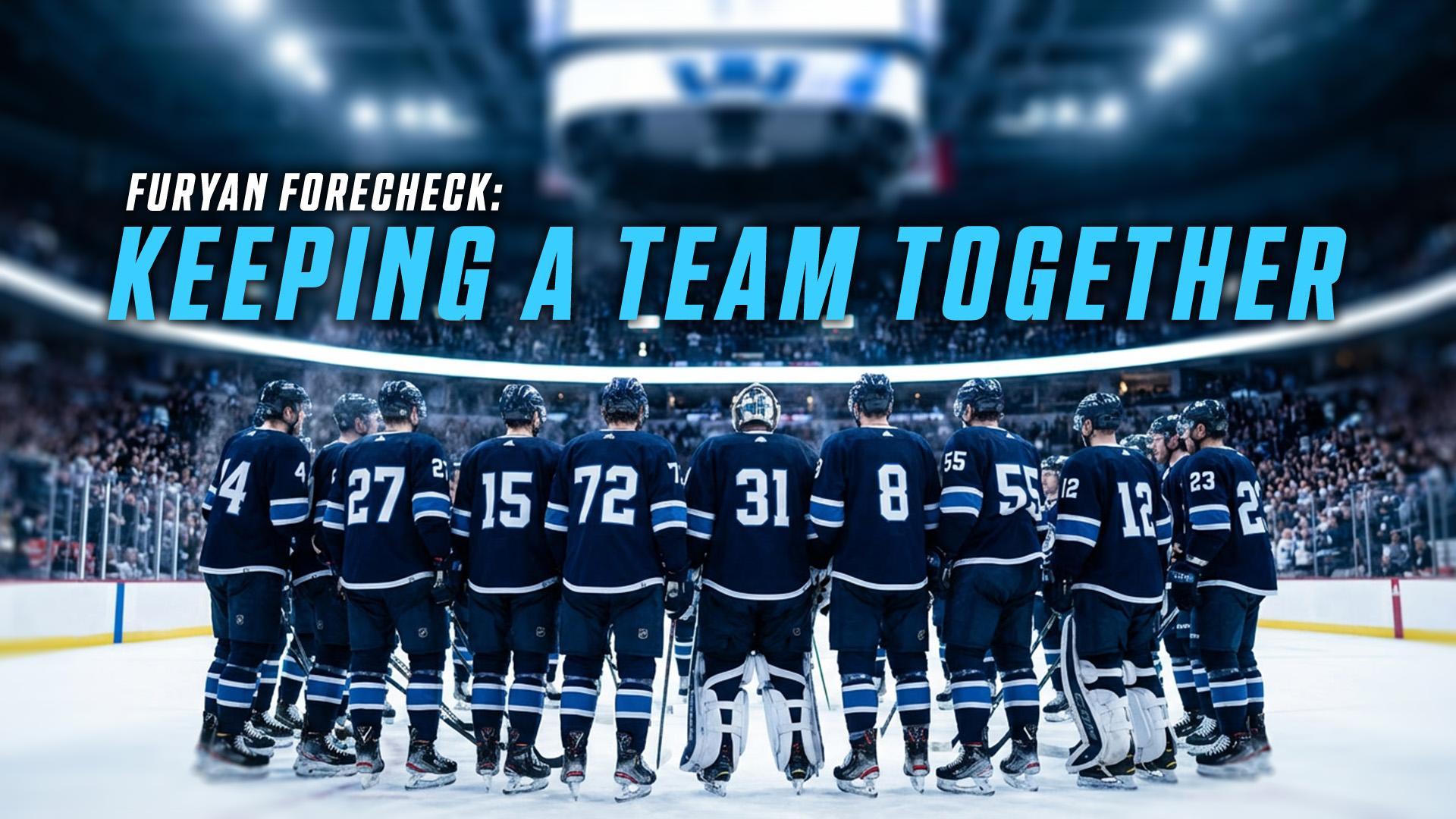 In an effort to boost our editorial coverage outside the realm of division-specific ECL content, we've enlisted NHL.com/sv writer, and long-time ECL player, Hampus Duvefelt (l-Furyan-l) to provide a series of special columns for SportsGamer.GG throughout the NHL 26 cycle. This is the first edition. KEEPING A TEAM TOGETHER If there is one thing I’ve learned during all my years in the NHL community, it is that keeping a team together for any duration of time is hard work. Whether it be due to arguments, fading chemistry, personal reasons or just a need for a fresh voice in the party, teams rarely look the same at the end of a game cycle as they did at the beginning of it. In some ways, change is the one constant in the unpredictable world of NHL gaming. In fact, one could argue an “NHL Year” is not entirely unlike a dog year, where in one game cycle, it can feel like you’ve lived through multiple years’ worth of transfers, roster changes and teams disbanding. Having been a captain or assistant captain for the majority of my soon-to-be decade on this platform, I’ve seen my fair share of exists – good and bad. I’ve been caught blindsided by players leaving at the worst possible times, I’ve had to tell unsuspecting players they were being let go (for various reasons) and I’ve had heartfelt interactions with players where we both agreed it was time for a change. I’ve also had a hand in closing down teams entirely, same as I’ve been a part of starting new projects. I’ve had players “poached” from me, with them agreeing to join other teams when they were still on my roster – sometimes even mid-tournament. And, in the interest of full disclosure as to not try and portray myself as some type of saint; I’ve agreed to join teams – or made plans for new projects – while I was still part of another team. The NHL scene has historically flirted with professional organizations and guaranteed contracts but as it stands that is the exception and not the norm. So, in a business that is... not really a business, but more like a (semi-professional) hobby where a contract is signed through a virtual handshake over Discord and a transfer is never more than a well-timed DM pitch away, how do you go about keeping a team together? Here’s what I’ve learned The main thing is to create an environment where players feel comfortable, enjoy “coming to the rink” and feel like their expectations are being met. Whether those expectations are on-ice success, a high level of activity or just a positive gaming experience, it is important to tailor your approach to the players you have. Are you with a group of IRL friends with no previous EASHL experience who are just starting out together? Perhaps don’t yell at them on a daily basis to get their shit together and to up their playing level (sorry, FCM teammates of ECL 1-3)... Are you with a group of hungry, talented 18-year-olds who want to win a championship and are willing to put in the time to do so? Make sure you keep both activity levels and accountability high. And if you’re with a group of (slightly) older players, with jobs, families and other responsibilities that take up their time, make sure to listen to their feedback and try to tailor your gaming sessions to their availability. But the main thing I wanted to share, and really the reason why I decided to write this whole thing, is some advice I received a few years ago from one of the greatest leaders I ever played with. Advice that I listened to at the time, but didn’t fully understand until more recently. And I’m paraphrasing here because it has been a while. He told me to always try and create a team environment where players want to be. Where they feel like they are achieving something just by being a part of the roster. A team that others scramble to play for. A team whose reputation – at least as spread by the players on it, past and present – is undeniably great. There will always be haters on the outside, but if you can create a team environment where starters, backups and loan players alike all feel like they are having the time of their lives, you’ve set yourself up for success. But his most important lesson was this; learn to accept that players are going to want to move on – and cheer them on when they do. Even in the best team environment humanly possible, you are going to have players move on. And here’s the kicker, it doesn’t matter what their reasons for wanting to leave are. It doesn’t matter if it’s wanting more success, wanting a less ‘tryhard’ environment, wanting to play with IRL friends or just wanting a fresh start. In a world without guaranteed contracts, you can never keep a player from leaving, so don’t get frustrated or judge them for it when they do. Learn to let go Of course, it is never a bad thing to ask a departing player why they are leaving or to ask for their feedback if there is something you or the team could have done differently. Listen, and learn from it. But if they’ve decided to leave, that’s that. And that’s okay. Sure, there are both good and bad ways to exit a team, and no one is immune to having an emotional reaction to a player transfer. I certainly am not. But in the end, if you know in your heart of hearts you’ve done the absolute best you can in trying to create a team environment that people want to be a part of, then there is no point in dwelling on it. Or... you could just, you know, win title after title after title. After title. I hear that’s a neat trick too!
- 5 comments
-
- 52
-

-

-

-
^ Excellent post.
-
^ Yes.
-
This thread could double as a Turing test.
- 157 replies
-
- 10
-
-
-
-
This is a great post, full stop. Valid questions and research all around and count me in amongst those who would like to know the answers. One thing I would like to note is that sometimes with these things (companies in financial difficulty etc.), there are binding contracts (including NDAs) that prevent people within the company/organization from speaking out on certain topics or providing full transparency. I have no idea what the situation is in this particular case, just something to keep in mind as we await further communication and clarification.
-
Repeating my main (recurring) opinion on this topic for a third time, just in case: Also, on that note, when can we expect the ECL schedule for the NHL 26 'calendar year'? ☺️
-
Ahh, the good ol' days 🥰
-
Holy shit. @bMaJuH 🐐
-
Always enjoy reading these. Good job @bMaJuH & @Mozjayh!
-
FALUN COAL MINERS [ECL PRO] Since ECL '25 Winter, we've said goodbye to three of our players... Eliekamel_ -> Nordic Nosebleed Supremski -> Retirement (🫡) McSavid -> Golden Buffalos ... and, in turn, recruited an additional two hardhat-wearing workers to the Mine 👷♂️ A warm welcome to RD @Wadde95 & G @benuh_ ⛏️

-
Valid compromise, tbh. Tough to satisfy everyone, especially with the diversity of opinion we've seen, but I think this is as close as you could get. Dub for SG/LA.

